Most people believe they are good with money. They pay bills on time, avoid risky moves, and try to act “responsibly.”
But here’s the truth I want to tell you as your financial advisor:
👉 Some habits that look responsible are actually holding you back financially.
They don’t feel dangerous.
They don’t create instant problems.
But slowly, silently, they weaken your financial future.
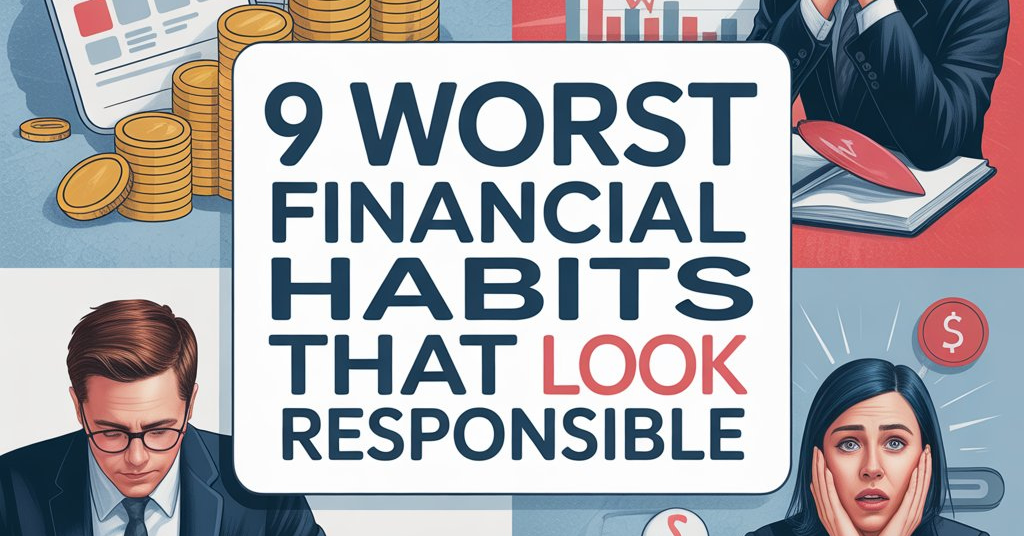
This interactive guide will walk you through 9 worst financial habits that look responsible — but are secretly costing you thousands of dollars over time.
Let’s fix these mistakes before they cost you more.
9 Worst Financial Habits That Look Responsible
1. Paying Only the Minimum on Credit Cards
At first glance, this looks responsible.
✔ You paid on time
✔ You avoided late fees
✔ Your account is “in good standing”
But financially? This habit is extremely expensive.
What’s really happening
Credit card companies design minimum payments to keep you paying as long as possible. Most of your payment goes toward interest — not your balance.
Simple example
- Credit card balance: $1,000
- Interest rate: 20%
- Minimum payment: $25
Dollar calculation
- Monthly interest: ~$17
- Actual balance reduction: ~$8
If you continue paying only the minimum:
- Total amount paid: ~$1,900
- Interest paid: ~$900
That means you pay almost double for something you already bought.
Advisor tip
Pay more than the minimum — even an extra $50 per month can save hundreds of dollars in interest.
2. Using Credit Cards for Everyday Living Expenses
Using credit for groceries, fuel, utilities, or subscriptions feels normal. Many people think:
“I’m responsible — I’ll pay it later.”
But this habit often creates monthly debt that never fully disappears.
Why this is risky
Everyday expenses repeat every month. If you’re charging them to credit and not paying the full balance, interest stacks up fast.
Example
- Groceries: $300/month
- Gas: $150/month
- Total charged monthly: $450
- Interest rate: 18%
Dollar calculation
If that balance rolls over:
- Annual interest: ~$80–$100
- Over 5 years: $400–$500 wasted
Advisor tip
If you can’t pay it in cash or debit today, it’s a warning sign — not a credit opportunity.
3. Saving Too Much in Cash and Not Investing
Saving money feels responsible.
Seeing a growing bank balance feels safe.
But too much cash can quietly lose value.
The hidden enemy: inflation
Inflation reduces the buying power of your money every year.
Example
- Savings account: $10,000
- Interest earned: 0.5%
- Inflation rate: 3%
Dollar calculation
- Interest earned: $50/year
- Buying power lost: ~$300/year
- Net loss: ~$250/year
So even though your balance grows, your money becomes less powerful.
Advisor tip
Keep emergency funds in cash, but invest long-term money so it grows faster than inflation.
4. Thinking a Higher Salary Automatically Means Financial Success
Getting a raise feels like progress.
But income alone doesn’t create wealth — habits do.
The trap: lifestyle inflation
As income increases, spending often rises even faster.
Example
You receive a $12,000 annual raise.
New expenses:
- Better car: $400/month → $4,800/year
- Dining out upgrade: $200/month → $2,400/year
- Subscriptions & upgrades: $150/month → $1,800/year
Dollar calculation
- Total new spending: $9,000/year
- Actual financial gain: $3,000 before tax
After taxes? Even less.
Advisor tip
Treat raises as a chance to increase savings first, not spending.
5. Not Building an Emergency Fund Because “Nothing Bad Has Happened Yet”
This habit feels responsible because people believe:
“I don’t want money just sitting there.”
But emergencies don’t ask for permission.
Common emergencies
- Medical bills
- Car repairs
- Job loss
- Home repairs
Example
Unexpected expense: $1,500
Without savings:
- Credit card interest: 20%
- Monthly payment: $75
Dollar calculation
- Interest paid over time: $250–$300
- Stress level: very high
Advisor tip
Emergency funds don’t make you rich — they prevent you from becoming poor.
6. Chasing Rewards, Cashback, and “Free” Points
Rewards cards sound responsible. And they can be — if used correctly.
The problem? Many people spend more than they planned to earn rewards.
Example
- Extra spending for points: $100/month
- Annual extra spending: $1,200
- Cashback earned: $60
Dollar calculation
You spent $1,200 to earn $60.
That’s not smart — that’s expensive marketing.
Advisor tip
Rewards should reward spending you already planned — not create new spending.
7. Ignoring Small Daily Expenses
People often say:
“It’s only $3 or $5 — it doesn’t matter.”
But small expenses repeated daily become big financial leaks.
Example
- Coffee: $5/day
- Snacks: $4/day
Dollar calculation
- Daily: $9
- Monthly: ~$270
- Yearly: ~$3,200
That’s money that could:
- Build savings
- Pay off debt
- Be invested
Advisor tip
Track spending for 30 days — awareness alone can save thousands.
8. Paying Bills Late Occasionally
Paying late once in a while feels harmless.
But the consequences are bigger than you think.
Hidden costs
- Late fees
- Credit score damage
- Higher future interest rates
Example
- Late utility bill fee: $25
- Credit score drop → higher loan interest
Dollar calculation
A lower credit score can:
- Increase loan interest by 1–2%
- Cost thousands of dollars over a mortgage or car loan
Advisor tip
Automate bills or set reminders — punctuality saves money.
9. Focusing Only on Debt and Ignoring Savings Completely
Paying off debt is smart.
But doing it without saving anything is risky.
Example
- All income goes toward debt
- Savings: $0
Emergency hits:
- Repair cost: $1,200
- Back to credit cards
Dollar calculation
Debt paid → debt returns → interest paid again
Advisor tip
Split progress:
- Pay debt
- Save small amounts
- Grow stability
Also Read: 6 Top Reasons Why Youll Want to Invest in Financial Planning
Final Advice From Your Financial Advisor
If your financial habits look responsible but don’t improve your future, it’s time to adjust.
Replace surface-level responsibility with
✔ Real planning
✔ Smart investing
✔ Balanced saving
✔ Conscious spending
Money doesn’t grow through good intentions — it grows through better decisions.