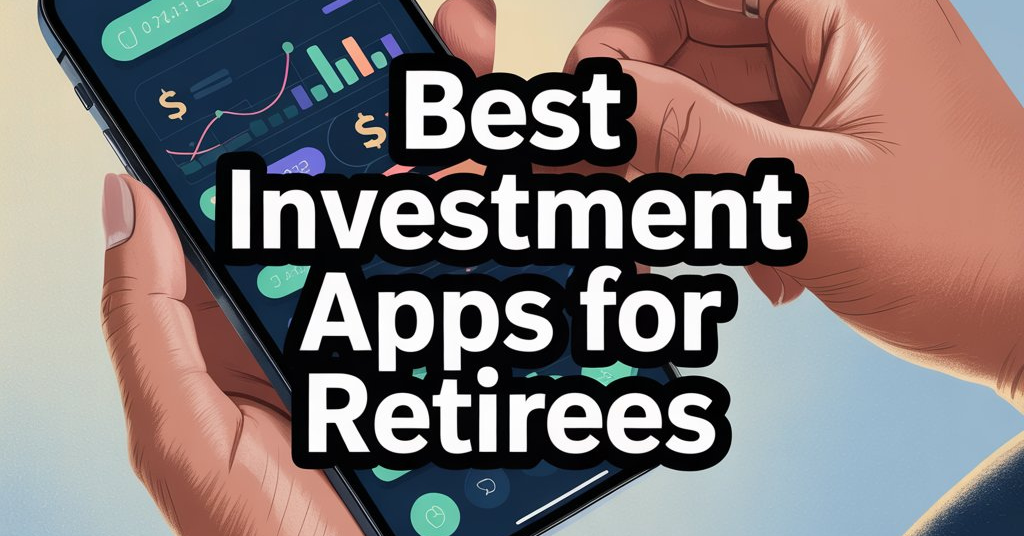
Retirement is a time when people want their savings to grow safely while providing regular income. In the past, managing investments required visiting a bank or hiring a financial advisor. Today, technology has made investing much easier through investment apps.
Investment apps allow retirees to buy stocks, invest in ETFs, track portfolios, and plan retirement income directly from a smartphone or computer. Many apps also use robo-advisor technology, which automatically builds and manages diversified portfolios.
In this guide, you will learn:
- What investment apps are
- Why retirees should use them
- The best investment apps for retirees
- Dollar examples and calculations
- Tips for choosing the right app
What Are Investment Apps?
Investment apps are mobile or online platforms that help people invest money easily.
With these apps, you can:
- Buy and sell stocks
- Invest in ETFs or mutual fund
- Create retirement portfolios
- Track profits and losses
- Receive automated investment advice
Many modern platforms use robo-advisors, which automatically build portfolios using low-cost ETFs and adjust them over time.
This makes investing easier for retirees who prefer simple and low-maintenance investing.
Why Investment Apps Are Useful for Retirees
Investment apps provide several benefits for people after retirement.
1. Easy Portfolio Management
Retirees can check their investments anytime.
For example:
If you invest $100,000 in an app, you can instantly see:
- total portfolio value
- yearly returns
- dividends earned
Everything is visible on one dashboard.
2. Automated Investing
Many apps automatically:
- rebalance portfolios
- reinvest dividends
- adjust risk levels
This feature is called automated portfolio management.
Some robo-advisor apps charge about 0.25% per year for this service.
Example Calculation
Suppose a retiree invests $50,000 in a robo-advisor.
Annual fee = 0.25%
Calculation:
0.25% × $50,000
= $125 per year
This means the app manages the portfolio for only $125 annually, which is cheaper than many human advisors.
3. Diversified Investments
Investment apps often create portfolios that include:
- stocks
- bonds
- ETFs
- international markets
Diversification helps reduce risk because money is spread across many assets.
4. Retirement Planning Tools
Some apps provide:
- retirement income calculators
- portfolio projections
- withdrawal planning tools
These tools help retirees understand how long their savings will last.
Features Retirees Should Look For in Investment Apps
Before choosing an investment app, retirees should check these features.
Simple Interface
Apps should be easy to use with:
- clear dashboards
- large text
- simple navigation
Complex trading platforms may be confusing.
Low Fees
Fees reduce long-term returns.
Good apps usually charge:
- 0% to 0.35% annual management fee
- low trading commissions
Lower fees mean more money stays in your account.
Automated Portfolio Management
Automated investing is ideal for retirees who do not want to trade frequently.
Robo-advisor apps automatically:
- build diversified portfolios
- rebalance investments
- manage risk levels.
Security
Reliable apps provide:
- encryption
- two-factor authentication
- regulated financial services
These features protect your money and personal data.
Best Investment Apps for Retirees
Here are some of the most popular investment apps that work well for retirement investing.
1. Vanguard Digital Advisor
Vanguard is known for low-cost investing and retirement planning.
Key features:
- automated ETF portfolios
- retirement planning tools
- low fees
The platform charges around 0.20% annually, which is among the lowest fees in the industry.
Example
If a retiree invests $200,000:
0.20% × $200,000
= $400 annual fee
This is much cheaper than traditional financial advisors who may charge 1% or more.
2. Betterment
Betterment is one of the most popular robo-advisor apps.
Key features:
- automated investing
- retirement planning tools
- tax-loss harvesting
- diversified ETF portfolios
The platform charges about 0.25% annually.
Example
Investment = $80,000
Annual fee calculation:
0.25% × $80,000
= $200 per year
Betterment automatically manages the portfolio for this small cost.
3. Wealthfront
Wealthfront is another popular automated investment platform.
Features include:
- tax-efficient investing
- automatic rebalancing
- diversified ETF portfolios
- goal-based planning
The app charges around 0.25% annual fee and requires about $500 minimum investment.
Example Portfolio
A retiree invests $60,000.
If the portfolio grows by 6% annually:
6% × $60,000
= $3,600 yearly return
After management fee:
0.25% × $60,000 = $150
Net estimated return:
$3,600 − $150
= $3,450
4. Fidelity Go
Fidelity Go is designed for beginners and retirees.
Features include:
- automated portfolio management
- diversified ETFs
- financial advisor access
The platform charges no advisory fees for accounts under $25,000, which makes it affordable for small investors.
Example
Investment = $20,000
Annual advisory fee = $0
This makes it attractive for retirees with smaller portfolios.
5. Schwab Intelligent Portfolios
Schwab offers automated investment portfolios with no advisory fees.
Features include:
- automated portfolio rebalancing
- diversified ETFs
- retirement account options
However, the platform usually requires around $5,000 minimum investment.
Example
If a retiree invests $100,000:
Management fee = $0
This can save hundreds of dollars annually compared to other platforms.
Example Retirement Portfolio Using an Investment App
Let’s see how a retiree might invest $150,000.
| Investment Type | Percentage | Amount |
| US Stocks ETF | 40% | $60,000 |
| International Stocks | 20% | $30,000 |
| Bonds | 30% | $45,000 |
| Cash | 10% | $15,000 |
Expected average return (example): 5% annually
Calculation:
5% × $150,000
= $7,500 yearly return
If the app charges 0.25% fee:
0.25% × $150,000
= $375
Net estimated return:
$7,500 − $375
= $7,125
This example shows how automated investing can grow retirement savings.
Tips for Retirees Using Investment Apps
Here are some important tips.
Focus on Low-Risk Investments
Retirees should prioritize:
- dividend stocks
- bonds
- index funds
- diversified ETFs
These investments are generally less risky.
Avoid Frequent Trading
Frequent trading increases risk and fees.
Long-term investing is usually safer for retirement portfolios.
Monitor Your Portfolio
Even automated apps should be checked occasionally.
Retirees should review:
- annual returns
- asset allocation
- withdrawal plans
Keep Emergency Cash
Experts recommend keeping 6–12 months of living expenses in cash.
This helps retirees avoid selling investments during market downturns.
Risks of Investment Apps
Although investment apps are convenient, they still have risks.
Market Risk
Investment values may go up or down depending on the stock market.
Technology Risks
Technical issues or cyber threats may affect online accounts.
Always use strong passwords and two-factor authentication.
Overconfidence
Some apps make investing look very easy, which may encourage risky trading.
Retirees should stay focused on long-term strategies.
How to Choose the Best Investment App for Retirement
When selecting an app, retirees should consider:
- Low fees
- Simple interface
- Automated portfolio management
- Retirement planning tools
- Security features
- Customer support
The right app should help retirees protect savings while generating steady income.
Also Read: Best Commodity ETFs for Retirement: A Complete Guide
Conclusion
Investment apps have made retirement investing easier than ever. With just a smartphone or computer, retirees can manage their portfolios, track returns, and plan their financial future.
Many modern apps use robo-advisor technology, which automatically creates diversified portfolios and manages investments at low cost. This makes them ideal for retirees who prefer simple and hands-off investing.
However, retirees should still focus on low-risk strategies, diversification, and long-term planning. Choosing the right investment app can help protect retirement savings and generate reliable income for many years.